


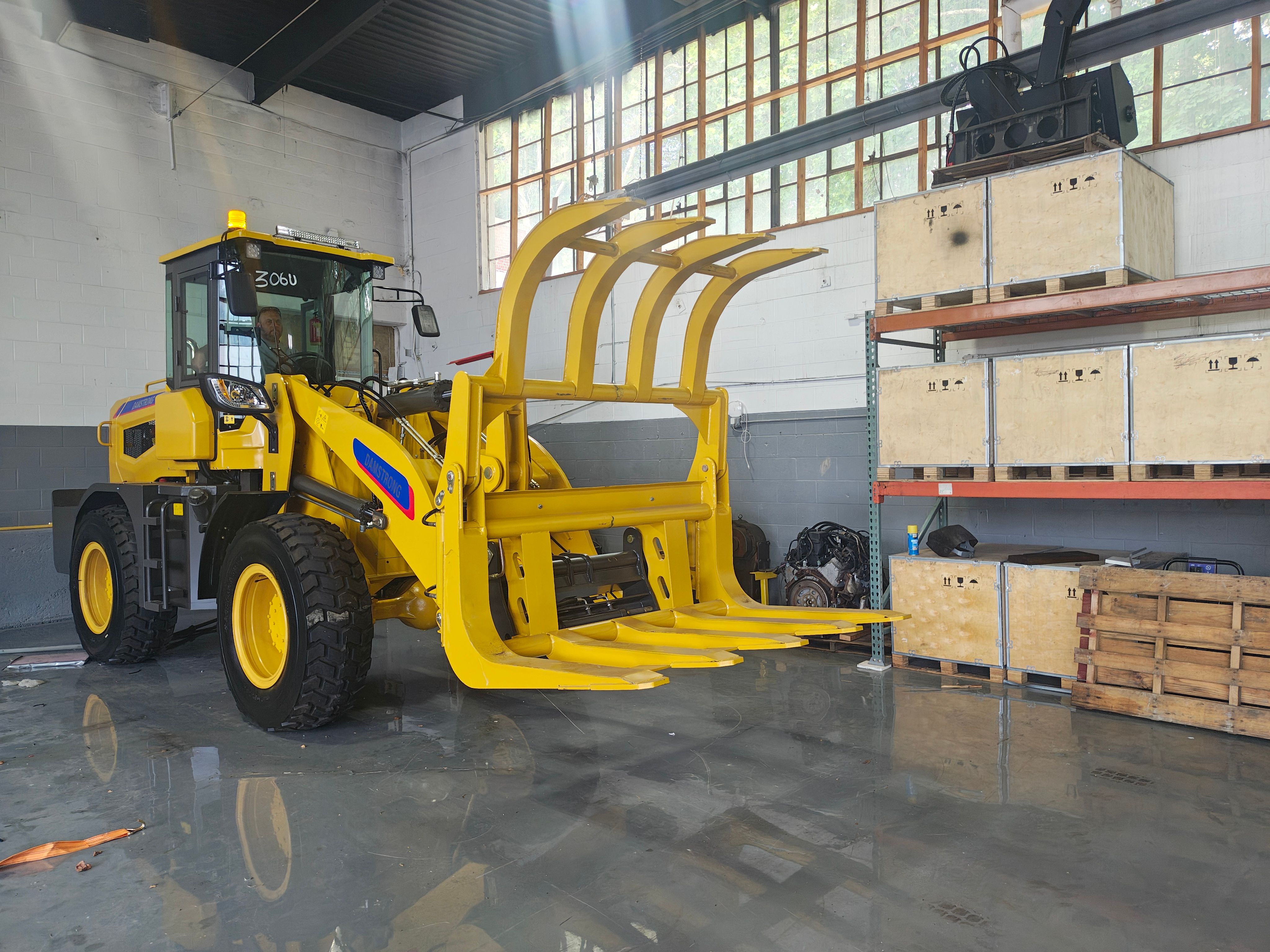
Wheel Loader Attachments: Boosting Productivity on Small Construction Sites
t
tj@civsav.com
tj@civsav.com
Loader attachments play a major role in improving how industrial and construction equipment performs on the job site. A loader on its own is already a powerful machine, but when paired with the right attachment, it becomes a multi-purpose tool capable of handling a wide range of tasks. From construction and demolition to material handling and site cleanup, loader attachments help operators get more done with less equipment.
For contractors, plant managers, and equipment owners, choosing the right loader attachments is not just about convenience. It directly impacts productivity, labor costs, safety, and overall project timelines. Instead of relying on multiple machines, the correct attachment allows one loader to perform several functions efficiently. This flexibility is especially valuable in industries where job requirements change frequently.
Understanding how loader attachments work, the types available, and where they are best applied helps businesses make smarter investment decisions. This guide explains the importance of loader attachments, their real-world applications, and how to choose the right tools for industrial and construction use.
Industrial and construction projects often involve varied tasks that require different tools throughout the workday. Moving materials, lifting loads, grading surfaces, clearing debris, and handling scrap are all common requirements. Without attachments, completing these tasks would require multiple machines or extensive manual labor.
Loader attachments solve this problem by turning a single machine into a flexible workhorse. By swapping attachments, operators can adapt quickly to different tasks without stopping work or bringing additional equipment to the site. This improves efficiency and reduces downtime, especially on fast-paced job sites.
Another key advantage is cost control. Purchasing multiple machines is expensive and increases maintenance and storage needs. Loader attachments reduce the need for additional equipment, lowering capital investment while maximizing the value of existing loaders.
Loader attachments have evolved significantly over the years. Early loaders were limited to basic bucket operations, which restricted their usefulness. As construction and industrial demands grew, manufacturers began developing attachments that expanded loader capabilities.
The introduction of interchangeable attachment systems allowed operators to change tools quickly and safely. This innovation transformed loaders into versatile machines capable of handling specialized tasks. Skid steer attachments and wheel loader attachments became widely used as industries recognized the efficiency benefits of adaptable equipment.
Today, loader attachments are designed with durability and performance in mind. Modern attachments are built to withstand heavy loads, harsh environments, and continuous use. Custom attachment options allow businesses to match tools precisely to their operational needs, improving performance across different job sites.
There is a wide range of loader attachments available, each designed for specific applications. Buckets remain one of the most common attachments, used for digging, loading, and material handling. Variations include general purpose buckets, heavy-duty buckets, and high-capacity buckets for different materials.
Fork attachments are widely used in material handling and industrial environments. They allow loaders to move pallets, bundles, and heavy loads safely and efficiently. Forks are commonly used in warehouses, yards, and manufacturing facilities.
Grapples are another essential attachment for construction and demolition work. They are used to handle irregular materials such as scrap metal, logs, debris, and demolition waste. Grapples improve safety by allowing operators to control loads without manual handling.
Other popular attachments include grading blades, snow pushers, augers, and sweepers. Each attachment is designed to handle a specific task, making loaders adaptable to seasonal and project-specific requirements.
In construction environments, loader attachments are used throughout every stage of a project. During site preparation, buckets and grading attachments help level ground and move soil efficiently. As construction progresses, fork and grapple attachments assist with material handling and debris removal.
Attachments also improve safety on construction sites. Using the right tool for each task reduces the need for manual labor and minimizes the risk of injuries. Operators can move heavy materials with precision, keeping workers at a safe distance.
For contractors managing multiple job sites, the ability to transport attachments instead of multiple machines simplifies logistics. This flexibility allows teams to adapt to changing requirements without delays or additional equipment costs.
In industrial settings, loader attachments are essential for maintaining smooth operations. Material handling attachments are widely used in warehouses, distribution centers, recycling facilities, and manufacturing plants. Fork attachments and grapples allow loaders to handle heavy or awkward materials efficiently.
Attachments also support workflow efficiency by reducing loading and unloading times. Faster material movement improves productivity and helps operations meet tight schedules. In facilities where space is limited, the maneuverability of loaders with the right attachments is a significant advantage.
Industrial operations often require durable equipment that can withstand constant use. Heavy-duty loader attachments are built for this purpose, providing reliable performance in demanding environments.
Skid steer attachments are known for their versatility and ease of use. Skid steers are commonly used in tight spaces where larger machines are impractical. Their attachments allow operators to perform a wide range of tasks with a compact footprint.
Wheel loader attachments are typically used for larger-scale operations. These attachments are designed to handle heavier loads and larger volumes of material. Wheel loaders paired with the right attachments are commonly used in construction yards, quarries, and industrial facilities.
Choosing between skid steer and wheel loader attachments depends on job size, material type, and site conditions. Understanding these differences helps businesses select equipment that aligns with their operational needs.
Selecting the right loader attachments starts with understanding how the equipment will be used. Factors such as material type, load weight, working environment, and frequency of use all influence attachment selection.
Compatibility is another important consideration. Attachments must match the loader’s size, hydraulic capacity, and mounting system. Using incompatible attachments can reduce performance and increase wear on equipment.
Durability and build quality also matter. Attachments used in industrial and construction environments must withstand heavy loads and repeated use. Investing in well-built attachments reduces maintenance costs and extends service life.
Proper maintenance ensures loader attachments continue to perform reliably. Regular inspections help identify wear or damage before it leads to failure. Keeping attachments clean and properly stored also extends their lifespan.
Maintenance requirements vary by attachment type. Some attachments require regular lubrication or hydraulic checks, while others may need periodic replacement of wear components. Understanding these requirements helps prevent downtime and unexpected repair costs.
Long-term performance depends on both attachment quality and proper use. Training operators on correct attachment handling reduces unnecessary stress on equipment and improves safety.
Quality loader attachments provide long-term value by improving productivity, reducing labor needs, and minimizing equipment costs. Instead of purchasing multiple machines, businesses can rely on attachments to expand loader capabilities.
Attachments also allow companies to respond quickly to new project requirements. This adaptability is especially valuable in industries where workloads change frequently. Investing in the right attachments ensures equipment remains useful across a wide range of applications.
For businesses focused on efficiency and growth, loader attachments are not optional tools. They are essential components of a modern equipment strategy.
Loader attachments are critical tools for industrial and construction operations. They transform loaders into versatile machines capable of handling diverse tasks efficiently and safely. From material handling and grading to demolition and cleanup, the right attachments make a measurable difference on the job site.
By understanding attachment types, applications, and maintenance needs, businesses can make informed decisions that improve productivity and control costs. Investing in high-quality loader attachments ensures equipment remains flexible, reliable, and ready for the demands of modern work environments.
Let's discuss how we can help transform your business with our innovative solutions. Our team is ready to assist you with your unique needs.
Follow us
© 2025 Civilized Savage