


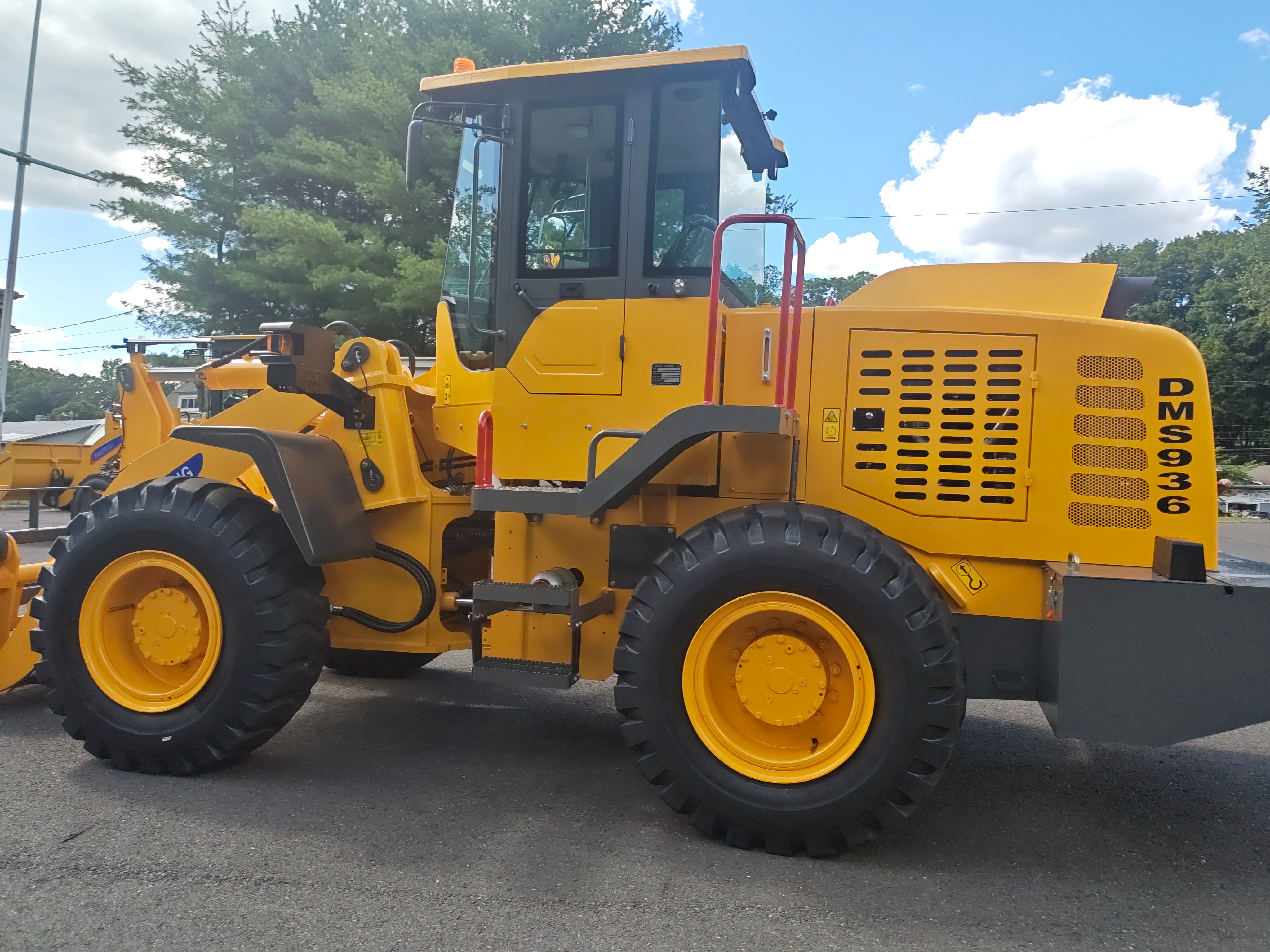
Choosing the Right Loader for Auto Body Shops and Industrial Yards
t
tj@civsav.com
tj@civsav.com
Auto body shops and industrial yards rely on smooth daily operations. From moving scrap metal and pallets to clearing debris and organizing materials, having the right loader directly impacts efficiency, safety, and operating costs. Unlike construction sites or seasonal snow operations, these environments demand consistent performance in confined spaces with frequent stop-and-go tasks.
Choosing the right loader is not just about horsepower or size. It’s about matching the machine to workflow, yard layout, and the types of materials handled every day. This guide breaks down the real-world factors auto body shops and industrial yards should consider when selecting a loader that works reliably year-round.
Auto body shops face unique challenges that differ from large construction or snow removal operations. Tasks are repetitive, space is limited, and downtime directly affects revenue.
Common loader tasks in auto body environments include:
Because of this, compact and mid-size wheel loaders are often preferred over oversized machines. Choosing the wrong loader can make tight workspaces inefficient and increase the risk of damage to vehicles, buildings, or equipment.
If your operation also supports seasonal work such as winter cleanup, understanding how loaders perform in demanding environments is essential. This is where insights from snow-ready wheel loaders built for harsh conditions still apply to non-snow operations focused on durability and control.
One of the most common mistakes industrial buyers make is choosing a loader that is either too large or underpowered for their needs. In auto body shops and industrial yards, maneuverability often matters more than raw lifting capacity.
Key considerations when selecting loader size:
For operations unsure about sizing, it helps to understand how loader dimensions affect daily work. Guides such as wheel loader size selection for different job demands provide valuable perspective when matching machine scale to operational needs.
Auto body shops are often crowded with vehicles, equipment, and materials. Industrial yards may have stacked inventory, containers, or scrap piles that limit visibility. In these environments, loader visibility and control are critical.
Look for loaders that offer:
Compact wheel loaders designed for frequent starts and stops reduce operator fatigue and minimize the risk of accidental contact with vehicles or infrastructure. These features are just as important as the machine’s lifting capacity.
Attachments significantly expand what a loader can do in an auto body shop or industrial yard. While snow pushers dominate seasonal operations, industrial work requires a different set of tools.
Common attachments used in these environments include:
Understanding attachment compatibility helps ensure long-term flexibility. For a broader look at how loaders support varied tasks throughout the year, loader attachments designed for year-round productivity offer insight into building a versatile equipment setup.
Auto body shops and industrial yards often run loaders daily, sometimes multiple shifts per day. Machines must handle constant movement, repeated lifting cycles, and varied materials without frequent breakdowns.
Durability factors to evaluate include:
Many operators underestimate how much wear constant low-speed operation causes. Loaders engineered for heavy-duty use, similar to those discussed in heavy-duty wheel loaders built for demanding applications, offer longer service life and fewer interruptions.
In environments with frequent operator changes or long workdays, comfort and usability are often overlooked. Poor ergonomics can slow productivity and increase fatigue-related mistakes.
Features that improve daily operations include:
For facilities managing multiple operators, standardized loader controls also reduce training time and improve consistency. Fleet managers often prioritize machines that are easy to operate across job sites, a theme also explored in modern wheel loader design trends.
Safety is critical in environments where people, vehicles, and machinery operate in close proximity. Auto body shops often have technicians walking between buildings, while industrial yards may have delivery trucks entering and exiting throughout the day.
Safety-focused loader features include:
Loaders designed with controlled handling help reduce accidents and protect both personnel and property. Even topics like material edge selection, often discussed for snow operations, provide transferable insights into surface protection and control, as outlined in steel edge versus rubber edge performance comparisons.
Many auto body shops and industrial yards operate year-round and need equipment that adapts to changing conditions. Even if snow removal is not the primary function, winter weather can still impact daily operations.
Choosing a loader capable of handling occasional snow, ice, or debris ensures uninterrupted workflow. Resources such as how loaders perform in snow removal environments provide helpful context for selecting machines that maintain performance in all seasons.
Beyond purchase price, total cost of ownership plays a major role in loader selection. Maintenance schedules, parts availability, and service support affect long-term value more than upfront savings.
Questions to ask before purchasing:
Operators who understand how to maintain equipment properly reduce downtime and extend machine life. While often discussed in snow-focused content, maintenance principles apply universally, as shown in guides to maintaining equipment for long-term use.
The right loader transforms daily operations. Instead of struggling with limited space or underpowered equipment, operators gain smoother workflows, faster material movement, and improved safety.
For auto body shops and industrial yards, the ideal loader:
When matched correctly, loaders become essential productivity tools rather than operational bottlenecks.
At DamStrong Equipment, we understand that industrial operations require dependable machines that perform consistently across multiple tasks. Our in-stock loaders are built for real-world conditions, offering the durability, control, and flexibility needed for auto body shops and industrial yards alike.
Whether you’re organizing materials, handling scrap, or maintaining an active yard, DamStrong wheel loaders built for year-round productivity provide reliable solutions designed to support your business.
To explore available models and expert guidance, visit DamStrong Equipment loaders and attachments and find the right fit for your operation.
Let's discuss how we can help transform your business with our innovative solutions. Our team is ready to assist you with your unique needs.
Follow us
© 2025 Civilized Savage