


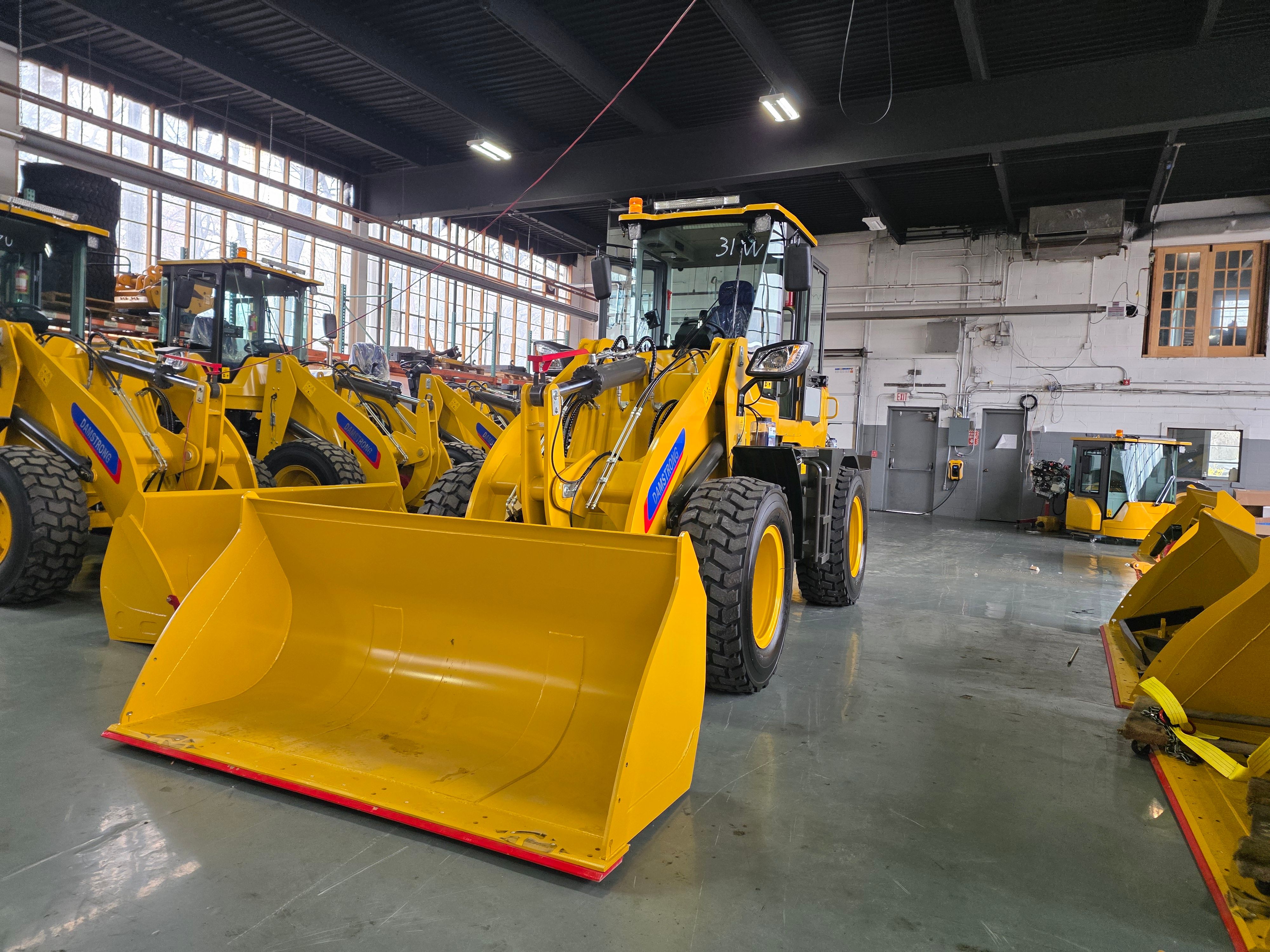
How Equipment Lifecycle Planning Improves Construction Productivity and ROI
t
tj@civsav.com
tj@civsav.com
In modern construction and industrial operations, equipment is no longer viewed as a short-term asset. Instead, it is treated as part of a long-term operational system that directly impacts productivity, cost efficiency, and project reliability.The difference between profitable operations and struggling ones often comes down to one factor: how well equipment is planned, used, maintained, and replaced over time.This is where equipment lifecycle planning becomes essential not just for large contractors, but for any operation that depends on machinery to maintain daily output.But lifecycle planning goes beyond performance it focuses on how equipment delivers value over its entire operational lifespan.
Equipment Is No Longer Just a Purchase It’s an Investment System
In traditional operations, equipment was treated as a one-time purchase. Once acquired, it was used until it failed or became outdated.
Modern operations take a different approach:
This shift transforms machinery from a cost center into a managed investment system.
The Real Cost of Poor Lifecycle Management
Many organizations underestimate the hidden costs of poor equipment management. These costs are rarely obvious at first but grow significantly over time.
They include:
Even well-built machines can become inefficient if lifecycle planning is ignored.
For example, improper usage patterns in loaders or attachments can significantly reduce performance efficiency over time.
Productivity Starts with Proper Equipment Matching
One of the most overlooked aspects of lifecycle efficiency is matching the right equipment to the right task.
When equipment is mismatched:
Proper matching improves:
This is especially important in multi-use environments where machines handle different types of workloads throughout the year.
Why Versatility Extends Equipment Lifespan
Versatility plays a key role in extending equipment value. Machines that can adapt to multiple tasks reduce the need for redundant assets.
For example:
This concept is reflected in loader attachments for year-round use
Higher utilization means better return on investment and fewer idle assets.
Maintenance Is the Core of Lifecycle Efficiency
Maintenance is often viewed as reactive but in high-performing operations, it is proactive and strategic.
There are three levels of maintenance maturity:
Fixing equipment after failure occurs
Scheduled servicing based on usage time
Data-driven servicing based on performance trends
The most efficient operations rely heavily on preventive and predictive strategies.
Proper maintenance:
Operator Behavior Directly Impacts Equipment Lifecycle
Even the most advanced machinery can degrade quickly if used incorrectly.
Common operator-related issues include:
This is why structured training is critical.
Well-trained operators:
More on operational safety and handling can be found here safety wheel loader operator training guide
Seasonal Demands Create Lifecycle Stress Points
Equipment does not wear evenly throughout the year. Instead, it experiences stress cycles based on seasonal demand.
For example:
These stress cycles accelerate wear if not managed properly.
Understanding seasonal load distribution helps in planning usage more effectively.
Downtime Is the Biggest Threat to ROI
The real cost of equipment is not purchase price it is downtime.
Every hour of downtime leads to:
Even short interruptions can have cascading effects on operations.
This is why reliability-focused planning is essential in modern equipment strategies.
Lifecycle Planning Improves Fleet Utilization
Fleet utilization measures how effectively equipment is being used across time.
Low utilization means:
High utilization means:
Proper lifecycle planning ensures each machine contributes meaningfully to operations.
Technology Is Changing Lifecycle Management
Modern equipment is increasingly integrated with:
These technologies allow operators to:
This evolution is part of broader industry transformation driven by innovation.Replacement Strategy Is Often Ignored
Most companies focus on buying and maintaining equipment but ignore replacement planning.
Waiting too long to replace equipment leads to:
A structured replacement strategy ensures:
Lifecycle planning is incomplete without this step.
Equipment Ecosystems Are Becoming Interconnected
Modern job sites are no longer dependent on individual machines; they rely on interconnected systems.
For example:
This interconnected system approach improves overall efficiency when properly managed.
Real Productivity Comes from System Optimization
The biggest misconception in equipment management is that productivity depends on individual machine strength.
In reality, productivity depends on:
When all these factors align, productivity increases exponentially.
This is why modern equipment strategy focuses on system optimization rather than isolated performance.
Final Thoughts
Equipment lifecycle planning is no longer optional; it is a core requirement for efficient construction and industrial operations.
By managing equipment properly across its full lifecycle, companies can:
From selection to operation to replacement, every stage matters.And in today’s competitive environment, the companies that treat equipment as a managed system rather than a simple asset are the ones that consistently outperform the rest.
Let's discuss how we can help transform your business with our innovative solutions. Our team is ready to assist you with your unique needs.
Follow us
© 2025 Civilized Savage