


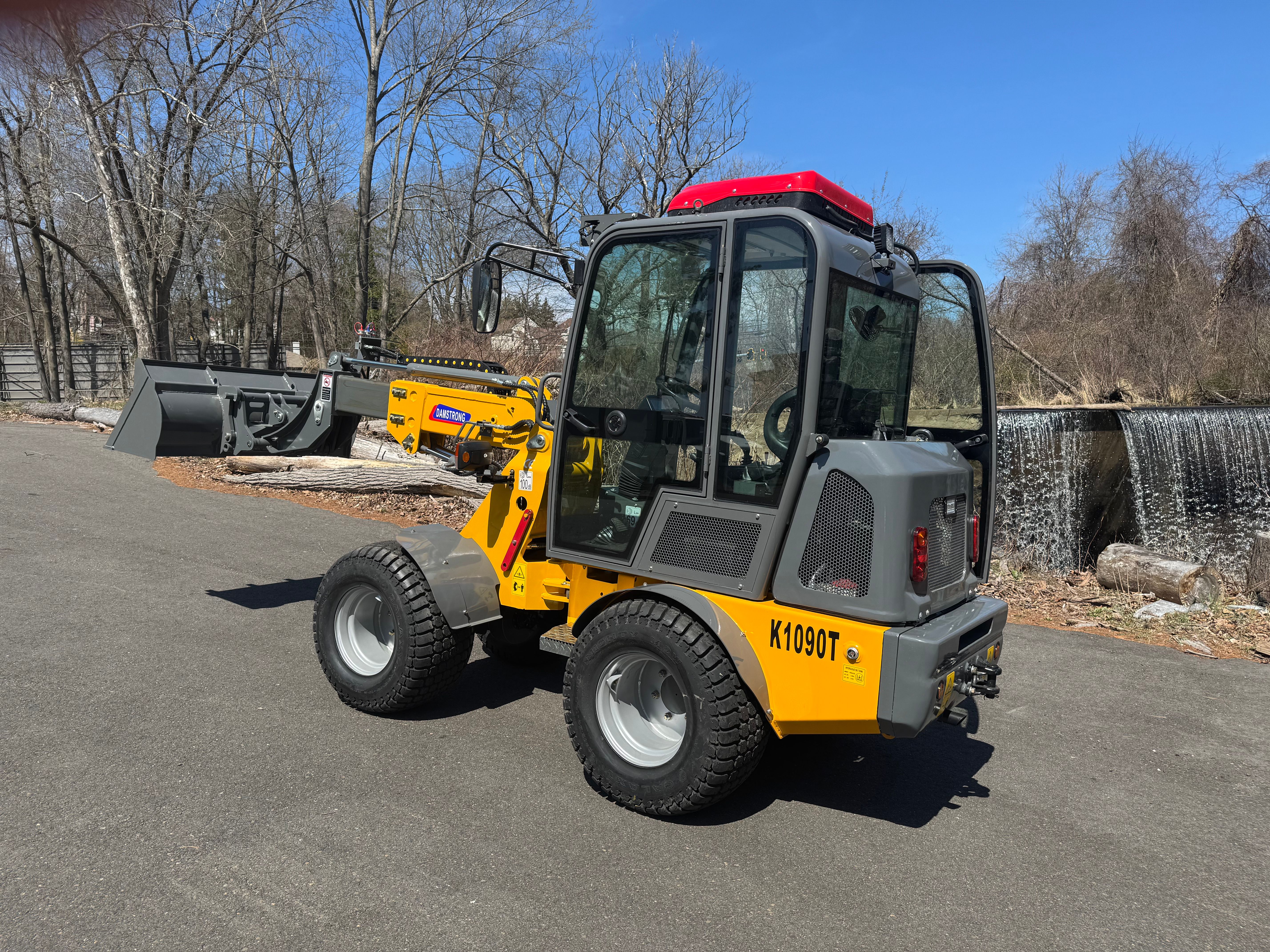

Wheel loaders are some of the most versatile and productive machines on any jobsite. From heavy snow removal operations to industrial yard maintenance and construction support, they move materials efficiently in demanding environments. However, the same power that makes a loader productive can also make it dangerous if operators are not properly trained.
A structured wheel loader operator safety training program reduces accidents, protects equipment, and improves long-term productivity. Crews that understand machine limits, attachment compatibility, and seasonal operating conditions consistently perform better and experience fewer costly incidents.
Safety does not begin when the machine starts. It begins with proper machine selection.
Selecting the Right Loader for the Job
One of the most overlooked safety factors is loader size. A machine that is too small for the workload can strain hydraulics and reduce lifting stability. A machine that is too large can create maneuvering challenges in tight spaces.
Before assigning equipment, operators and supervisors should review machine classifications and load capacities. Understanding the differences outlined in the Wheel Loader Size Guide helps crews match lifting capability with jobsite demands.
Proper sizing improves balance, reduces tipping risk, and prevents excessive component wear.
Understanding Machine Capacity and Stability
Every operator must be trained to understand how machine balance shifts during operation.
Key training areas should include:
- Rated lift capacity
- Bucket height and center of gravity
- Turning under load
- Hydraulic response
- Safe operating angles on slopes
Lifting heavy loads while turning at high speeds is one of the most common causes of rollover incidents. Keeping loads low during travel and maintaining smooth throttle control significantly reduces risk.
Operators who understand how weight distribution affects balance are less likely to make sudden movements that compromise stability.
Attachment Compatibility and Safe Installation
Attachments dramatically change how a loader handles. Snow pushers, buckets, forks, and specialty tools each shift weight and alter hydraulic demand.
Improper pairing increases instability and mechanical strain. Before installation, crews should evaluate loader capacity and hydraulic flow requirements. The guidance provided in How to Choose the Best Snow Pusher for Your Loader explains how proper attachment matching improves both performance and safety.
Attachment edges also influence traction and surface protection. Operators who understand the differences described in Steel Edge vs Rubber Edgecan adjust their technique depending on pavement conditions.
Every attachment must be locked securely and inspected before operation.
Daily Pre-Operation Inspection Procedures
Many serious incidents begin with small mechanical issues that go unnoticed.
A thorough pre-shift inspection should include:
- Tire pressure and tread condition
- Hydraulic hoses and fittings
- Coupler lock engagement
- Fluid levels
- Warning lights and alarms
- Attachment wear
Snow removal crews should pay particular attention to cutting edges. Worn or uneven edges reduce traction, especially on icy surfaces. Following the maintenance recommendations found in How to Maintain Your Snow Pusher for Long-Term Use helps ensure attachments remain safe and effective throughout winter operations.
Inspection routines prevent mid-shift breakdowns and reduce unexpected hazards.
Snow Removal Safety Training
Winter operations create unique safety challenges.
Operators must be trained to account for:
- Hidden ice beneath snow layers
- Reduced braking performance
- Limited visibility
- Long overnight shifts
- Fatigue
Proper equipment preparation improves safety in extreme conditions. The cold-weather setup considerations discussed in Snow-Ready Wheel Loaders explain how loaders should be configured for reliability during heavy snow events.
Attachment sizing also affects maneuverability. Oversized pushers increase hydraulic strain and reduce turning efficiency. Reviewing What Size Snow Pusher Do You Really Need ensures crews avoid overloading and instability.
Contractors should also avoid common purchasing mistakes that compromise safety. Many of these are explained in Snow Pusher Buying Mistakes , which highlights preventable equipment errors.
Snow removal requires patience, steady operation, and constant awareness.
Safe Travel and Load Handling Practices
Improper load handling is one of the leading causes of loader accidents.
Training should reinforce:
- Keeping loads low during travel
- Avoiding sharp turns under weight
- Reducing speed on slopes
- Maintaining smooth throttle control
- Avoiding sudden braking
Wheel loaders are used year-round, and different attachments affect stability differently. The overview provided in Loader Attachments for Year-Round Use explains how balance shifts when changing tools across seasons.
Controlled movement protects operators, surrounding workers, and nearby property.
Operating in Confined Industrial Environments
Many wheel loaders operate in tight industrial yards, auto body facilities, and commercial properties.
In these settings, operators must focus on:
- Clear communication with ground personnel
- Slow maneuvering in restricted spaces
- Blind spot awareness
- Use of spotters when necessary
The operational challenges described in Loaders for Auto Body Shops and Industrial Yards demonstrate why reduced speed and communication protocols are critical in confined environments.
Clear hand signals and radio communication reduce preventable incidents.
Equipment Reliability and Preventative Awareness
Reliable equipment directly supports safe operations.
Operators should be trained to recognize early warning signs such as:
- Unusual vibration
- Hydraulic lag
- Brake inconsistencies
- Overheating indicators
Durable construction reduces unexpected failures under heavy workloads. The manufacturing standards discussed in Heavy-Duty Wheel Loader Attachments in the USA highlight why strong build quality contributes to long-term safety and performance.
Preventative awareness prevents small mechanical problems from becoming serious safety risks.
Expanding into Construction and Year-Round Operations
Wheel loaders are no longer limited to seasonal snow removal. They play a growing role in construction, paving support, and industrial material handling.
Understanding broader jobsite expectations improves operator readiness. The operational considerations outlined in Wheel Loaders for Modern Construction explain how loaders adapt to evolving construction demands.
Seasonal refresher training ensures operators remain sharp when transitioning between winter and summer operations.
Building a Long-Term Safety Culture
Safety training should never be a one-time event.
A strong training program includes:
- Annual operator recertification
- Documented inspection logs
- Incident review meetings
- Equipment-specific training sessions
- Seasonal refresher courses
Contractors who invest in ongoing safety education consistently reduce downtime and liability exposure.Wheel loader operator safety training protects people first. It also protects equipment investments and strengthens long-term productivity. When crews understand machine capacity, attachment compatibility, seasonal adjustments, and communication protocols, the entire operation runs more smoothly.Safety is not just about avoiding accidents. It is about building confidence, improving performance, and maintaining control in every environment where wheel loaders operate.
Share this article:
Need Expert Guidance?
Let's discuss how we can help transform your business with our innovative solutions. Our team is ready to assist you with your unique needs.
Follow us






© 2025 Civilized Savage
Based in USA