


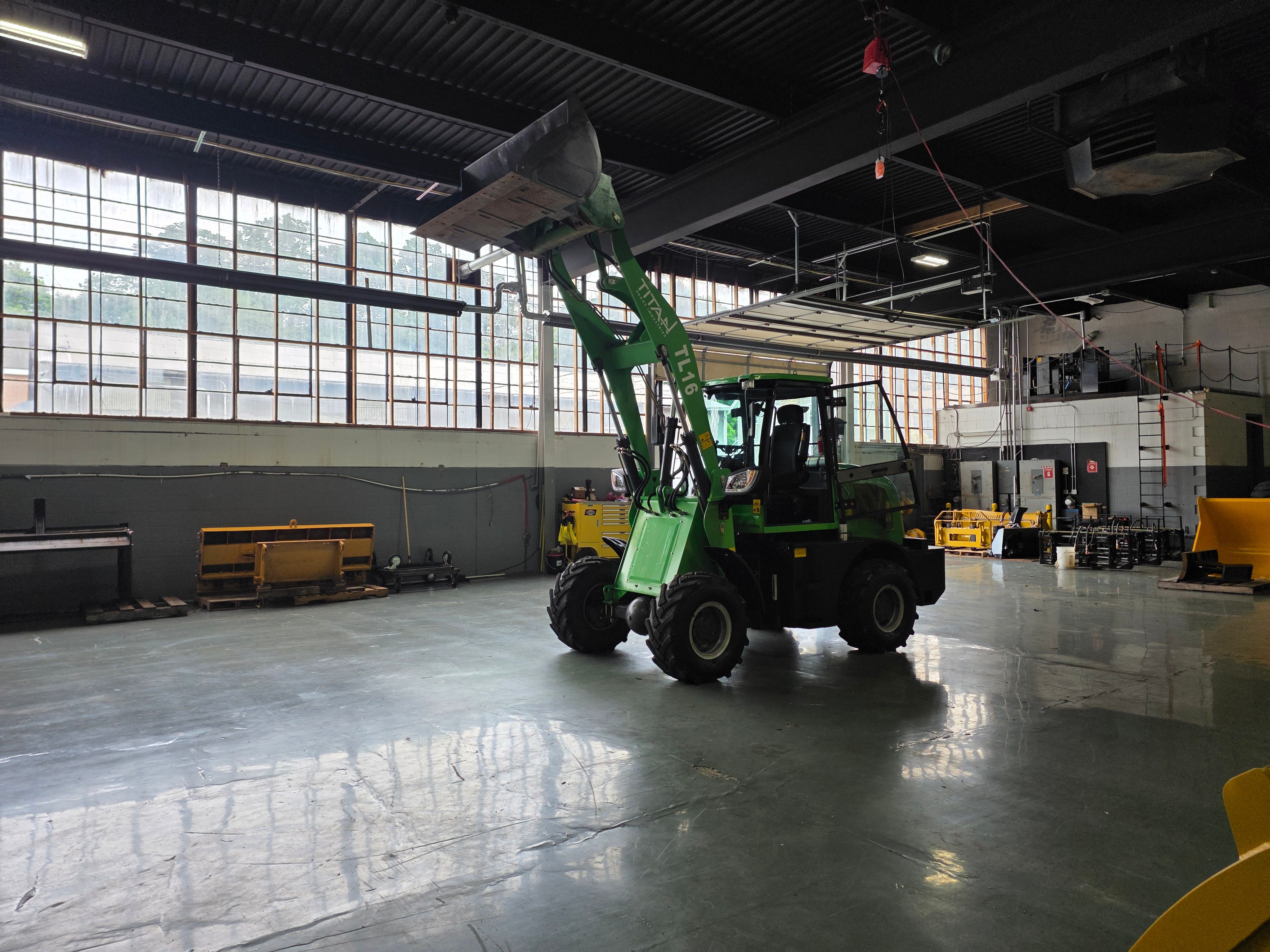
Maximizing Wheel Loader Efficiency with Snow Pushers & Attachments
t
tj@civsav.com
tj@civsav.com
Winter operations demand more than just powerful machines — they require the right combination of equipment, planning, and attachments that turn a wheel loader into a high-performance snow removal system. Whether you are managing municipal roads, commercial parking lots, or industrial yards, efficiency depends on how well your loader and attachments work together.
Many contractors underestimate how much productivity is lost due to mismatched attachments or poorly planned workflows. A properly configured wheel loader with the right snow pusher system can reduce clearing time by 20–40%, cut fuel consumption, and significantly reduce operator fatigue.
This guide explains how to maximize wheel loader performance, how to choose the right snow pushers, and how to improve year-round ROI using smart attachment strategies.
Understanding Why Wheel Loader Efficiency Matters in Snow Operations
A wheel loader is one of the most versatile machines on any jobsite. But in winter, its role becomes even more critical. Unlike traditional plow trucks, loaders provide higher breakout force, better traction under load, and more flexibility in handling large snow volumes.
When efficiency is not optimized, operators face:
That’s why operators often rely on specialized attachments like those explained in the guide to snow pusher loader attachments, which are designed specifically to improve material movement efficiency and reduce unnecessary passes.
Choosing the Right Snow Pusher for Maximum Output
Not all snow pushers are created equal. The wrong attachment size or design can completely reduce loader performance.
The most common mistake operators make is choosing based only on price or width. As highlighted in snow pusher buying mistakes, compatibility and durability matter far more than upfront cost.
A properly matched snow pusher allows your loader to move more snow in fewer passes, reducing cycle time dramatically.
Matching Loader Size with Attachment Strategy
Efficiency does not come from the attachment alone it comes from how well it matches the machine.
A compact loader with an oversized pusher will struggle with traction, while a large loader with a small pusher wastes capacity and fuel.
A deeper breakdown of sizing strategy is covered in what size snow pusher you really need, which helps operators match blade width to machine capability.
When properly matched, the result is smoother pushes, better control, and fewer breakdowns.
Improving Year-Round ROI with Loader Attachments
One of the biggest advantages of modern wheel loaders is their ability to operate year-round. Snow removal is only one part of the equation.
As explained in loader attachments for year-round use, a single machine can perform multiple roles:
This versatility dramatically increases ROI and reduces the need for multiple dedicated machines.
The Role of Attachment Design in Operational Efficiency
Attachment design directly impacts how quickly and effectively a loader can move snow.
Key design features that improve performance include:
Containment-style pushers allow operators to move large volumes of snow in a single pass instead of pushing it sideways.
Heavy-duty frames prevent flexing under load, improving control during dense or icy conditions.
Rubber or steel edges help adapt to different surfaces without damaging pavement.
These features are frequently highlighted in wheel loader attachment efficiency strategies where proper pairing between loader and attachment is emphasized as the key to maximizing output.
Reducing Downtime Through Smart Equipment Planning
Downtime is the biggest enemy of productivity in winter operations. Even a short delay during a storm can result in major operational setbacks.
Smart planning includes:
A deeper breakdown of downtime reduction is available in reduce downtime with loader attachments jobsite planning.
Proper planning ensures that every machine stays operational when it matters most.
Optimizing Loader Performance in Real Field Conditions
Real-world conditions are unpredictable. Snow density changes, temperatures fluctuate, and surfaces vary from asphalt to gravel.
To maintain peak efficiency:
These principles are part of broader optimization strategies covered in maximizing wheel loader efficiency.
Improving ROI Through Attachment Strategy
Many contractors only focus on machine cost, but real profitability comes from attachment strategy.
A loader equipped with the right combination of tools can:
For example, pairing a loader with a properly sized pusher and bucket system allows seamless transitions between pushing, lifting, and clearing tasks.This concept is expanded further in turn your loader into a year-round profit machine.
Maintenance The Hidden Factor Behind Efficiency
Even the best equipment loses efficiency without proper maintenance. Snow operations put extreme stress on hydraulic systems, cutting edges, and undercarriages.
Key maintenance practices include:
Preventive care ensures that loaders maintain peak performance throughout the season.
Operator Skill and Its Impact on Productivity
Even with the best equipment, operator skill remains a critical factor in efficiency.
Experienced operators:
Training programs significantly improve jobsite efficiency and reduce long-term equipment wear.
Building a High-Efficiency Loader System
Maximizing wheel loader efficiency is not about one single upgrade it is about combining the right machine, the right attachment, and the right operational strategy.
When loaders are properly matched with snow pushers, supported by smart maintenance and efficient workflows, the results are immediate:
For contractors, municipalities, and industrial operators, investing in optimized loader systems is not optional it is essential for staying competitive during winter operations.
Let's discuss how we can help transform your business with our innovative solutions. Our team is ready to assist you with your unique needs.
Follow us
© 2025 Civilized Savage