


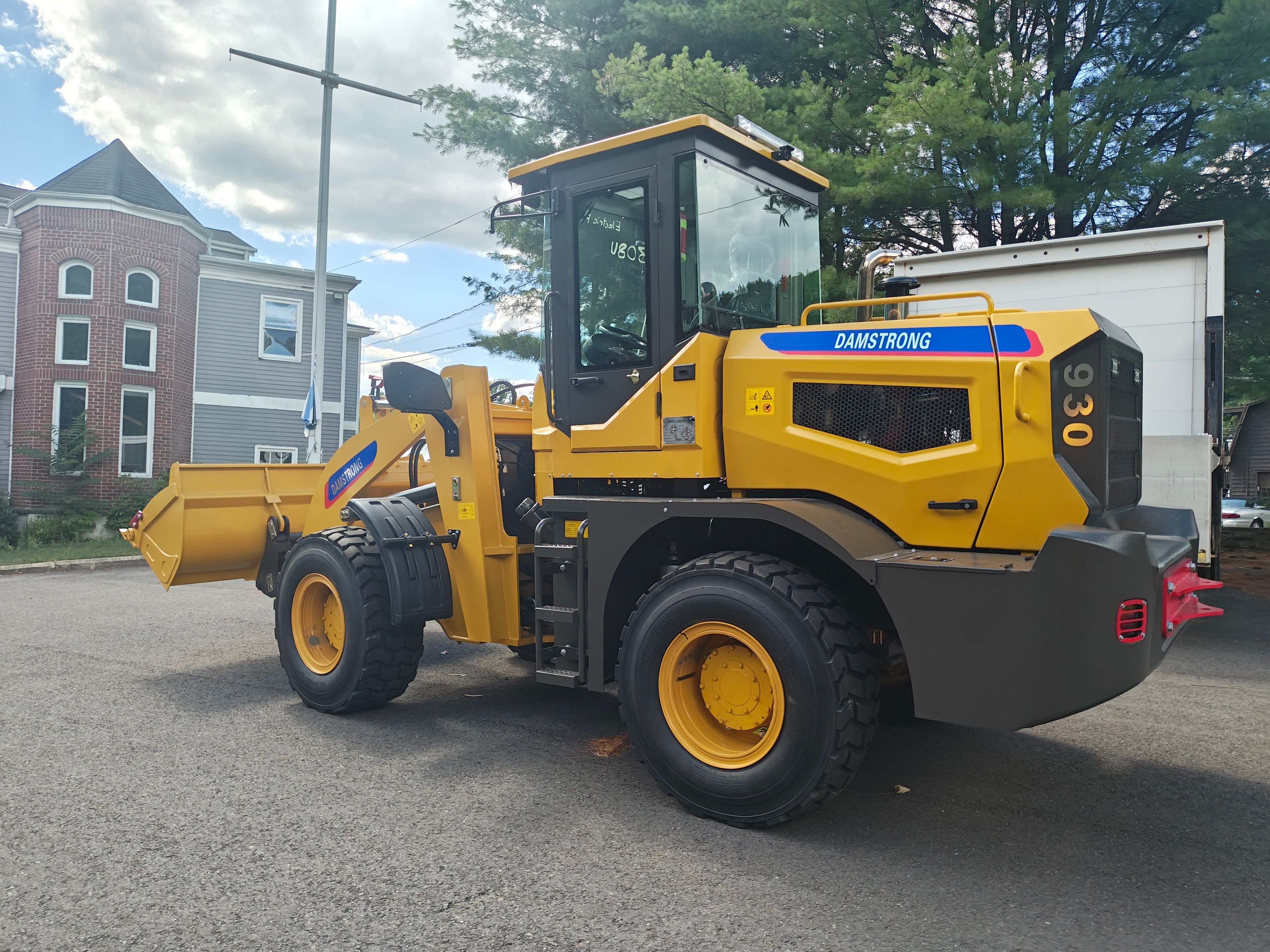

Buying a wheel loader is one of the bigger equipment decisions a fleet manager or business owner makes, and the new versus used question comes up almost every time. Both options have a real place depending on how the machine will be used, how long it needs to last, and what kind of budget flexibility a business has going into the purchase. There is no single right answer that applies to every operation, but there is a right answer for your specific situation once you look at the tradeoffs clearly.
This decision connects directly to the sizing conversation covered in wheel loader size guide, since matching the right size machine to your workload matters just as much as deciding between new and used, and getting either one wrong leads to the same result, a machine that does not fit the job it was bought for.
The Upfront Cost Difference
The most obvious difference between new and used equipment is purchase price. A used wheel loader typically costs significantly less upfront than a comparable new model, sometimes by a substantial margin depending on the age, hours, and condition of the machine. This lower entry cost makes used equipment appealing for businesses that are just building out their fleet, taking on a new contract that requires additional capacity, or working with a tighter capital budget.
New equipment carries a higher purchase price, but that price often comes with the full manufacturer warranty, the latest technology and efficiency improvements, and the assurance that no prior owner's usage patterns or maintenance habits are baked into the machine's condition. For operations that plan to run a loader hard for many years, that clean slate can be worth the additional upfront investment.
Warranty Coverage and What It Actually Protects
New wheel loaders typically come with comprehensive warranty coverage that protects against manufacturing defects and major component failures for a defined period or hour count. This coverage reduces financial risk during the years when a machine sees the heaviest use and the most potential for unexpected issues to surface.
Used equipment warranty coverage varies widely. Some used machines still have remaining factory warranty if they are recent enough, while others are sold as is with no coverage at all. Extended warranty or service contract options are sometimes available through dealers for used equipment, and it is worth asking specifically what is and is not covered before finalizing a purchase, since the answer affects the real cost comparison between new and used options more than the sticker price alone.
Maintenance History and Machine Condition
A used wheel loader's value depends heavily on how well it was maintained by its previous owner. A machine with documented service records, regular fluid changes, and prompt attention to wear items is a very different purchase than one with an unknown history and visible signs of deferred maintenance.
Requesting maintenance records, having a qualified technician inspect the machine before purchase, and checking hour meter readings against visible wear patterns are all reasonable steps before buying used equipment. A loader with lower hours but clear signs of hard use or poor maintenance can actually represent more risk than a higher hour machine with a clean, well documented service history.
How Usage Intensity Should Shape the Decision
Operations that run a loader for long hours every day, particularly in demanding applications like snow removal during peak storm events or continuous material handling in an industrial yard, put more pressure on every component of the machine. This kind of intensive use tends to favor new equipment, since the reliability and full warranty coverage reduce the risk of downtime during periods when the machine is needed most.
Businesses using a loader more occasionally, or as a secondary or backup machine to a primary fleet, often find that a well maintained used loader delivers strong value without the higher upfront cost of new equipment. This is part of why matching machine choice to actual workload, similar to the sizing considerations discussed in choosing the right wheel loader for snow removal, matters as much as the new versus used decision itself.
Technology and Efficiency Improvements
Newer wheel loader models often include efficiency improvements, updated hydraulic systems, improved operator ergonomics, and in some cases telematics that allow fleet managers to monitor machine location, hours, and diagnostic codes remotely. These features can translate into real operational value over time, particularly for larger fleets where small efficiency gains multiply across multiple machines.
Used equipment, particularly older models, may lack some of these newer features entirely. For some operations this tradeoff does not matter much, while for others the productivity and monitoring benefits of newer technology justify a larger portion of the price difference between new and used options.
Resale Value Considerations
Resale value is often overlooked during the initial purchase decision but matters significantly over the life of equipment ownership. New equipment generally experiences its steepest depreciation in the first few years of ownership, which is a normal part of equipment economics but worth factoring into a long term ownership plan.
Used equipment has already passed through that steepest depreciation curve, which can mean a more stable resale value if the business decides to upgrade or sell the machine down the road. Buyers evaluating total cost of ownership rather than just purchase price should factor in expected resale value alongside financing costs, maintenance expenses, and expected productive life of the machine.
Financing Considerations for Both Options
Financing terms can differ between new and used equipment purchases, with new equipment sometimes qualifying for more favorable interest rates or manufacturer-backed financing promotions. Used equipment financing is widely available as well, though terms and rates may vary depending on the age and condition of the specific machine.
Whether you land on new or used, pairing the machine with the right wear components matters too, a decision similar in spirit to the comparison in steel edge vs rubber edge, where matching the part to the application affects both performance and long term cost.
Reviewing available financing options before finalizing a decision helps clarify the real monthly cost difference between new and used equipment, which is often more relevant to a business's cash flow than the total purchase price alone. Working through this comparison with a dealer who offers both new and used inventory, along with financing support, makes it easier to see the full picture rather than comparing sticker prices in isolation.
Attachment Compatibility Across New and Used Machines
Whether buying new or used, confirming that your existing attachments, or attachments you plan to purchase, are compatible with the specific loader model matters just as much as the loader itself. Coupler systems and hydraulic flow rates vary between manufacturers and even between model years within the same manufacturer, and mismatched compatibility can limit which attachments a machine can actually run effectively.
This is particularly relevant for operations planning to use a loader across multiple seasons and applications, similar to the flexibility described in loader attachments for year round use, where a single machine needs to transition smoothly between snow removal duties in winter and material handling or yard work the rest of the year.
Questions Worth Asking Before You Decide
A few direct questions can help clarify which option fits your specific situation. How many hours per year will the machine realistically run, and how much downtime risk can your operation tolerate. What is your available budget, both for upfront purchase and ongoing financing payments. Do you have access to a qualified technician who can properly inspect a used machine before purchase. How long do you expect to keep the machine before replacing or upgrading it.
Answering these questions honestly, rather than defaulting to whichever option has the lower sticker price, leads to a more accurate comparison of what each option actually costs and delivers over the life of ownership. Our compare page is a useful starting point for lining up specific models side by side once you have a shortlist in mind.
Getting Expert Guidance for Your Specific Situation
The right choice between new and used depends on details specific to your operation, budget, and how the machine will be used day to day. Our team can walk through available new and used inventory, financing options, and attachment compatibility to help you find the right fit rather than guessing based on price alone. Reach out through our contact page or browse our current inventory to see what is available right now.
Share this article:
Need Expert Guidance?
Let's discuss how we can help transform your business with our innovative solutions. Our team is ready to assist you with your unique needs.
Follow us






© 2025 Civilized Savage
Based in USA