


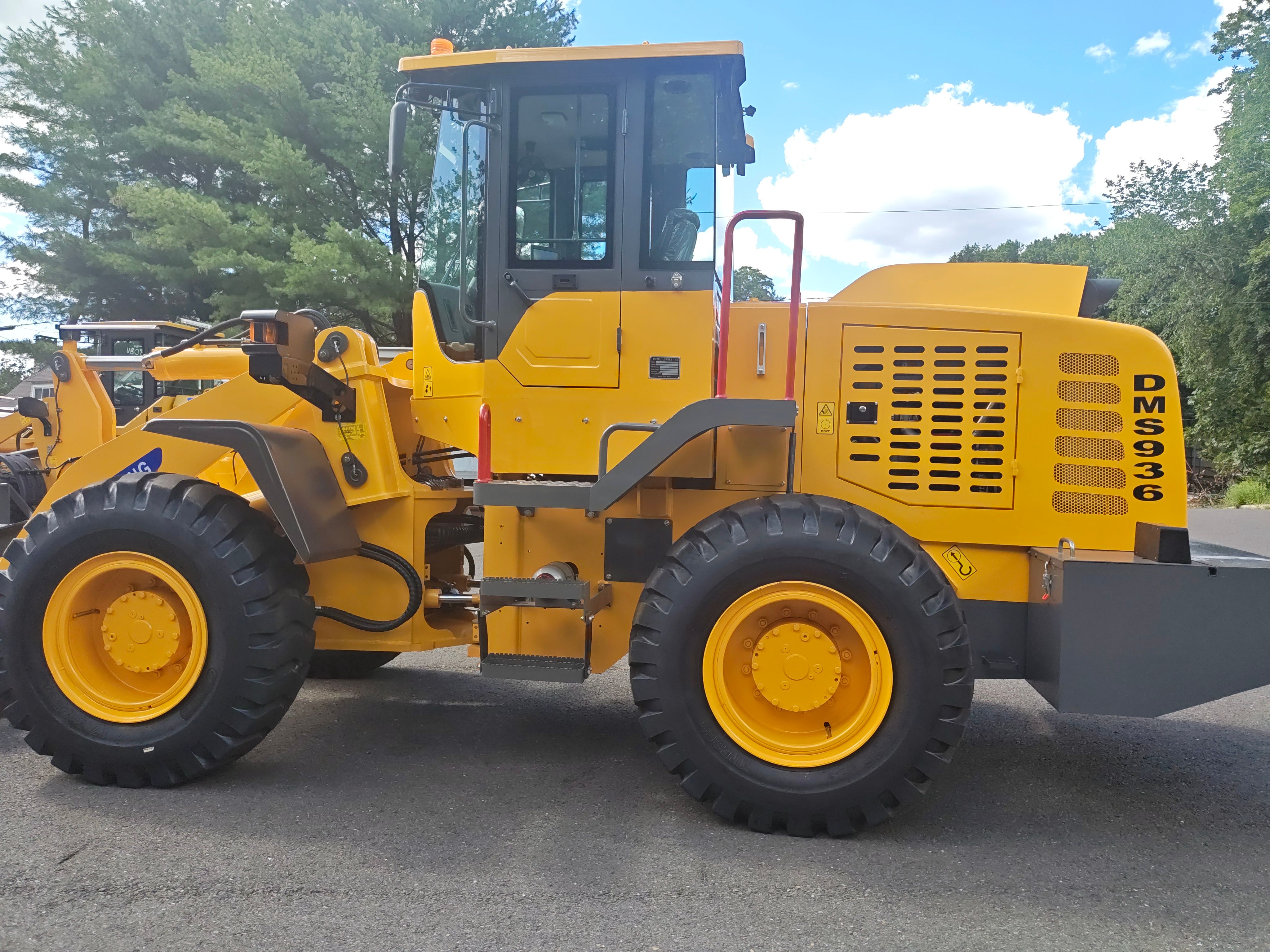
Cold Start Procedures Getting Your Wheel Loader Ready Before the First Snow
t
tj@civsav.com
tj@civsav.com
Most winter equipment prep conversations center on the pusher, edge type, box width, attachment fit, and all of that matters. But none of it means anything if the loader itself won't start reliably at three in the morning when a storm has already dropped two inches and a route is waiting. Cold weather affects a wheel loader's hydraulics, battery, and engine in ways that have nothing to do with the attachment bolted to the front, and getting these systems properly prepped before the season starts is just as critical as picking the right pusher.
This guide covers what actually happens to a wheel loader in cold temperatures, and the specific steps that keep a machine starting reliably and running without unnecessary wear through a full winter season.
Cold weather changes how hydraulic fluid behaves, and that change has real consequences for how a loader performs, especially in the first few minutes after startup. Hydraulic fluid thickens as temperatures drop, increasing its viscosity and slowing how quickly it flows through the system. This means hydraulic response, lift, tilt, pusher angle adjustment, all becomes noticeably sluggish in cold conditions, and forcing full hydraulic demand on a system that hasn't had time to warm up puts real strain on pumps, cylinders, and seals that a properly warmed system wouldn't experience.
This isn't a minor inconvenience. Repeated cold starts followed immediately by full hydraulic load are one of the more common, and more preventable, contributors to premature hydraulic component wear on equipment that sees heavy winter use.
Using the correct hydraulic fluid viscosity grade for winter operation matters more than a lot of operators realize. Fluid formulated for warmer conditions gets excessively thick in cold temperatures, compounding the sluggish response and increased wear that cold weather already causes on its own. Confirming your loader is running an appropriate winter-grade hydraulic fluid, rather than whatever was topped off during warmer months, is one of the simplest, most overlooked steps in preparing a machine for the season.
This is exactly the kind of detail worth building into the same pre-season readiness process covered in our guide on snow-ready wheel loaders, where getting a machine genuinely prepared for winter work means looking well beyond just the attachment mounted on the front.
Diesel engines require significantly more cranking power to start in cold temperatures than they do in mild weather, and a battery that performed fine all summer can struggle or fail entirely once temperatures drop into genuinely cold territory. Cold-cranking amp ratings exist specifically because cold weather starting demands more from a battery, and a battery that's aging or wasn't fully tested before the season can leave a loader completely unable to start exactly when it's needed most.
Testing battery condition and cold-cranking capacity before the first real cold snap, rather than discovering a weak battery during an actual storm response, is a simple, inexpensive step that prevents one of the most common causes of a loader failing to start when a route depends on it.
Block heaters, where equipped, give a diesel engine a significant head start in cold conditions, warming coolant and engine components before startup rather than asking the engine to work through a cold start from a fully cold state. Using a block heater consistently during cold snaps, rather than only when someone remembers to plug it in, meaningfully reduces cold-start wear and improves how quickly a loader is actually ready to work once started.
Even with a block heater, a proper warm-up period after startup, allowing the engine and hydraulic system a few minutes to reach a more normal operating temperature before demanding full hydraulic function, protects components that would otherwise be forced to perform at full capacity while still cold and thickened.
A proper cold start isn't just turning the key and immediately engaging the pusher. Starting the engine, allowing a brief idle period for oil and hydraulic fluid to begin circulating and warming, and then gradually working the hydraulics through a light range of motion before demanding full lift, tilt, or pusher engagement gives the system a chance to actually warm up rather than being forced into full function while still cold and sluggish.
Operators under pressure to get moving immediately during an active storm sometimes skip this sequence entirely, understandably, given the urgency of the situation, but consistently skipping proper warm-up accelerates wear in ways that show up as more frequent hydraulic repairs and shorter component life over the course of a season.
Diesel fuel itself behaves differently in cold weather, and fuel gelling, where paraffin components in diesel fuel begin to solidify at low temperatures, can clog fuel filters and prevent an engine from starting or running properly. Winter-blend diesel fuel is formulated specifically to resist this gelling at lower temperatures than standard diesel, and anti-gel additives provide additional protection for operations in regions that see particularly severe cold.
Confirming your fuel supply has transitioned to winter-blend fuel before temperatures drop, rather than assuming standard fuel will perform fine regardless of season, is another straightforward step that prevents a completely avoidable cold-weather failure.
Cold start and hydraulic readiness deserves the same deliberate pre-season attention that goes into confirming pusher condition and attachment fit. Our guide on how to maintain your snow pusher for long-term use covers the attachment side of pre-season prep in detail, and the machine's own cold-weather readiness, hydraulic fluid grade, battery condition, block heater function, and fuel type, belongs on that same pre-season checklist rather than being treated as a separate, lower-priority concern.
Pulling this together into a few concrete steps makes it easier to actually follow through before the season starts rather than addressing pieces of it reactively. Confirm hydraulic fluid is at the correct winter viscosity grade, not whatever was topped off during warmer months. Test battery condition and cold-cranking capacity, replacing anything marginal before the first real cold snap rather than waiting for a failed start to reveal the problem. Confirm block heaters are functional and get used consistently once temperatures drop, not just when someone remembers. Verify fuel supply has transitioned to winter-blend diesel, and keep anti-gel additive on hand for operations in areas that see particularly severe cold.
Running through this checklist as a standard part of pre-season prep, alongside pusher inspection and attachment fit confirmation, closes the gap between a machine that looks ready for winter and one that's actually ready to start and perform reliably the first time a storm demands it.
A loader that won't start reliably during an active storm isn't just an inconvenience; it's a direct hit to route coverage and client commitments at exactly the moment reliability matters most. Our article on reducing downtime through loader attachment and jobsite planning covers the broader planning mindset that prevents this kind of disruption, and cold-start readiness deserves the same proactive attention as attachment planning, since both failures carry the same operational consequence once a storm is already underway and a route isn't getting covered.
Operator training often focuses heavily on pusher technique and traction awareness, both genuinely important, but proper cold start procedure deserves its own place in that same training conversation. An operator who understands why warm-up matters, and who follows the proper startup sequence consistently rather than rushing straight into full hydraulic demand, protects the machine in ways that pay off across an entire season of use. Our safety and wheel loader operator training guide covers the broader operating practices that keep both machine and crew performing well through winter conditions, and cold start discipline fits naturally alongside the traction and safety awareness already covered there.
Consistent cold-start wear, repeated over multiple winter seasons, contributes to exactly the kind of premature component failure that shortens a loader's productive service life and drives up total ownership cost. Our guide on equipment lifecycle planning and construction ROI covers how proactive care factors into total cost of ownership across a machine's working life, and cold-start discipline is one of the more overlooked, lowest-cost ways to protect that long-term value, especially for loaders that see heavy use during snow season year after year.
Snow pushers and attachments matter enormously for how well a loader performs once it's actually moving snow, but none of that performance is possible if the machine itself isn't properly prepared to start and run reliably in cold conditions. Getting hydraulic fluid, battery condition, block heater use, and fuel type right before the season starts, and building proper warm-up habits into every cold start, protects both immediate storm-day reliability and the machine's long-term component life. The best pusher setup in the world doesn't matter if the loader won't start.
Let's discuss how we can help transform your business with our innovative solutions. Our team is ready to assist you with your unique needs.
Follow us
© 2025 Civilized Savage