


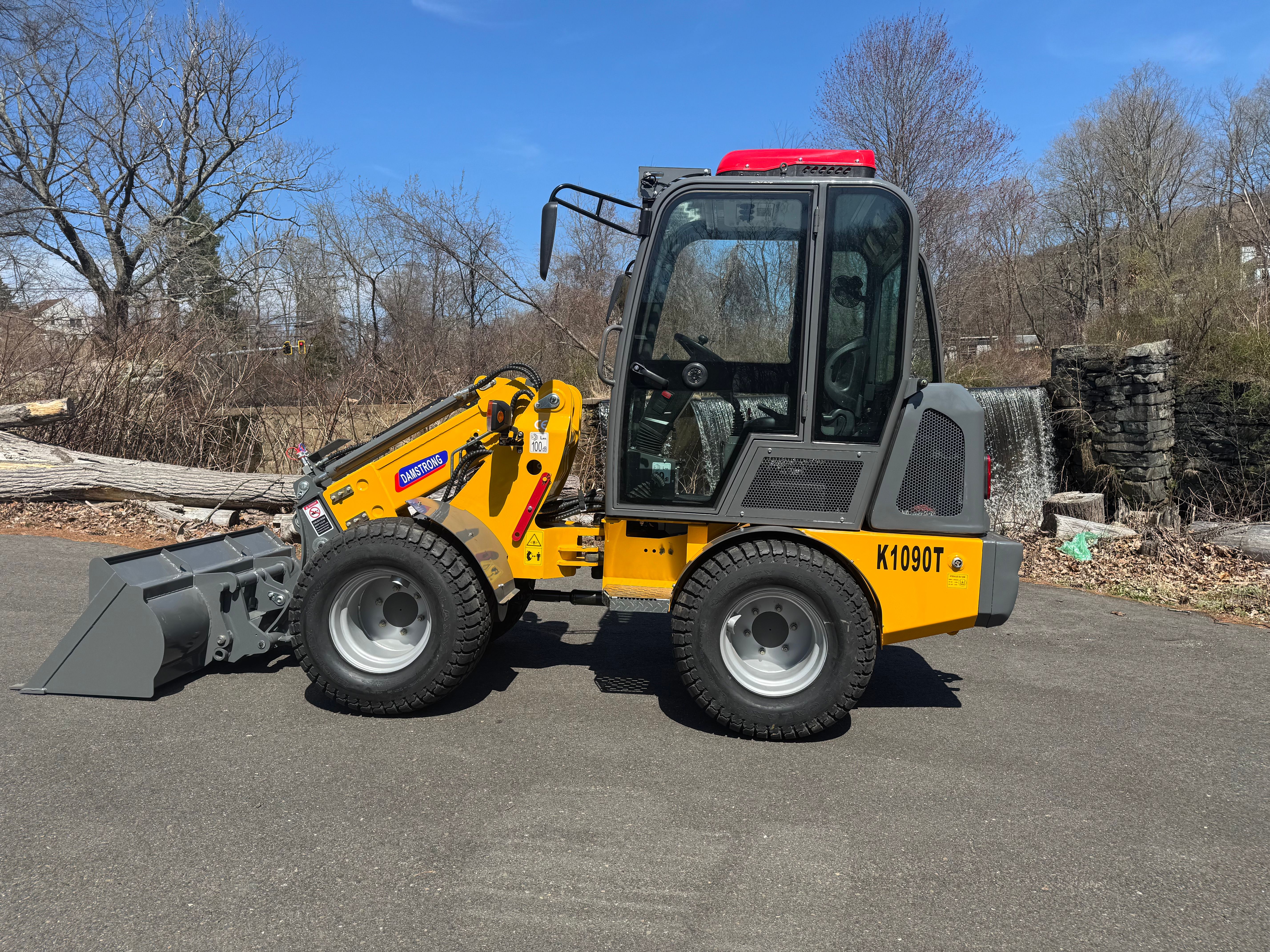
Wheel Loader Fleet Management Strategies for Higher Utilization and Lower Operating Costs
t
tj@civsav.com
tj@civsav.com
Wheel loaders are among the most versatile machines in construction, material handling, snow removal, landscaping, municipal operations, and industrial facilities. However, purchasing quality equipment is only part of the equation. The real challenge is maximizing machine utilization while controlling ownership and operating costs over the long term.
Many businesses invest heavily in wheel loaders but fail to implement effective fleet management practices. Idle equipment, attachment mismatches, unexpected repairs, and poor maintenance planning can significantly reduce profitability. Organizations that manage their fleets strategically can improve productivity, reduce downtime, extend equipment lifespan, and achieve a stronger return on investment.
This article explores proven wheel loader fleet management strategies that help contractors, municipalities, industrial facilities, and snow removal operators get the most value from their equipment investments.
Wheel loaders often represent a major capital investment. Whether operating a single machine or an entire fleet, effective management directly impacts:
Many fleet managers focus solely on acquisition costs while overlooking long-term operational expenses. Strategic planning ensures machines remain productive throughout their service life.
For organizations evaluating long-term equipment returns, understanding concepts discussed in Equipment Lifecycle Planning for Construction ROI is critical for maximizing asset performance and investment value.
Measuring Wheel Loader Utilization
One of the most important fleet management metrics is utilization.
A wheel loader sitting idle still incurs ownership costs including:
Fleet managers should track:
Monitor actual operating hours versus available hours.
Determine which attachments generate the highest productivity and revenue.
Analyze usage patterns during:
Organizations that maximize year-round utilization typically achieve better equipment ROI than those relying on seasonal operations alone.
This approach aligns with the strategies discussed in Turn Your Loader Into a Year-Round Profit Machine.
Matching Attachments to Operational Demands
Many fleet inefficiencies occur because machines are equipped with the wrong attachments.
The right attachment can dramatically increase productivity without requiring additional equipment purchases.
Common wheel loader attachments include:
Fleet managers should evaluate attachment requirements based on operational goals and seasonal demands.
Attachment selection becomes significantly easier when following guidance from Wheel Loader Attachment Compatibility for Jobsite Efficiency.
Reducing Equipment Downtime Through Preventive Maintenance
Downtime is one of the largest hidden costs in fleet operations.
Unexpected breakdowns can lead to:
Preventive maintenance programs should include:
Operators should check:
Follow manufacturer recommendations for:
Track wear patterns before failures occur.
A proactive approach supports the recommendations outlined in Reduce Downtime with Loader Attachments and Jobsite Planning.
Improving Fuel Efficiency Across the Fleet
Fuel is often one of the largest operating expenses for wheel loader owners.
Fleet managers can reduce fuel costs by:
Modern telematics systems can identify inefficient operating behaviors and highlight opportunities for improvement.
Small fuel savings across multiple machines often generate substantial annual cost reductions.
Standardizing Equipment and Attachments
Fleet standardization simplifies operations and reduces costs.
Benefits include:
Operators become familiar with consistent controls and operating procedures.
Common components minimize stocking requirements.
Technicians gain expertise with standardized equipment.
Machines and attachments can be reassigned easily across projects.
Organizations that standardize fleets typically experience improved operational efficiency and lower maintenance expenses.
Utilizing Telematics and Equipment Data
Modern fleet management relies heavily on data-driven decision making.
Telematics systems provide insights into:
These tools help managers identify underutilized assets and optimize equipment deployment.
Instead of relying on assumptions, decisions can be based on measurable performance indicators.
Optimizing Snow Removal Operations
For many organizations, winter operations create significant revenue opportunities.
Effective snow removal fleet management requires:
Companies that prepare before winter arrives avoid costly downtime during peak snow events.
Fleet managers can gain additional insights from Snow-Ready Wheel Loaders and Efficient Snow Removal with Wheel Loaders and Attachments.
Training Operators for Maximum Productivity
Even the best equipment can underperform without proper operator training.
Training programs should focus on:
Well-trained operators:
Safety and productivity often improve simultaneously when training becomes a core fleet management priority.Additional guidance can be found in Safety Wheel Loader Operator Training Guide.
Evaluating Attachment ROI
Every attachment should contribute measurable value.
Questions fleet managers should ask include:
Regular ROI evaluations help determine whether attachments continue delivering value.These considerations align with the principles outlined in Maximize Loader Attachment ROI Year-Round .
Strategic Equipment Replacement Planning
Holding equipment too long can increase:
Replacing equipment too early may reduce overall return on investment.
Fleet managers should evaluate:
A strategic replacement plan balances performance, reliability, and financial objectives.
Adapting Fleets for Multiple Industries
Wheel loaders support diverse industries including:
Material movement and site preparation.
Parking lots, municipal roads, and commercial properties.
Material handling and facility maintenance.
Infrastructure maintenance and public works projects.
Loading, unloading, and material transport.
Businesses serving multiple industries often achieve higher equipment utilization throughout the year.For additional insights, see Loaders for Auto Body Shops and Industrial Yards.
Creating a Long-Term Fleet Optimization Strategy
Successful fleet management requires ongoing evaluation.
A comprehensive strategy should include:
Continuous improvement helps organizations remain competitive while controlling costs.
Businesses that regularly assess performance and adapt to changing operational demands often outperform competitors relying on reactive equipment management practices.
Wheel loader fleet management extends far beyond equipment ownership. Strategic planning, preventive maintenance, operator training, attachment optimization, and utilization tracking all play critical roles in maximizing profitability.
Organizations that treat fleet management as an ongoing business strategy can significantly reduce operating expenses while improving productivity and equipment longevity. By focusing on utilization, maintenance, and attachment efficiency, businesses can transform wheel loaders from simple assets into powerful drivers of long-term operational success.
Let's discuss how we can help transform your business with our innovative solutions. Our team is ready to assist you with your unique needs.
Follow us
© 2025 Civilized Savage