


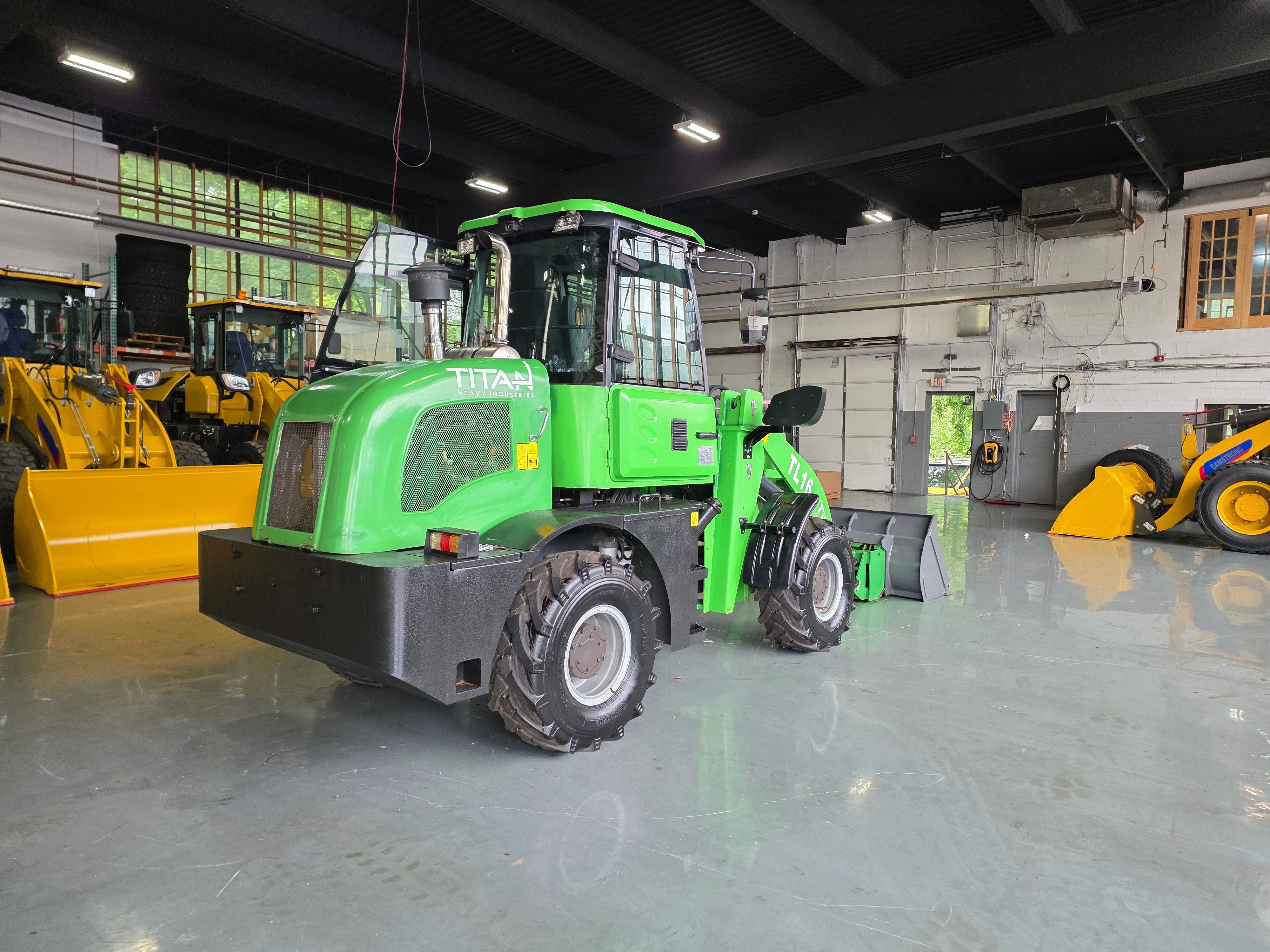
Solid or Pneumatic Choosing Wheel Loader Tires for Snow and Year-Round Work
t
tj@civsav.com
tj@civsav.com
Attachment selection gets most of the attention when equipping a wheel loader for snow removal or year-round jobsite work, and understandably so given how directly a snow pusher or bucket affects what a loader can actually accomplish. Tire choice matters just as directly, though, since traction, ride quality, and puncture resistance all trace back to whether a loader is running solid or pneumatic tires, and which tread pattern is actually matched to the surfaces it works across a New England winter and beyond.
Solid tires eliminate puncture risk entirely, a real advantage on debris-heavy industrial yards, demolition sites, or scrap and auto body work where sharp material on the ground represents a genuine, ongoing threat to a pneumatic tire's air-filled construction. This puncture immunity comes with real tradeoffs, though. Solid tires generally deliver a harsher ride than pneumatic tires, transmitting more vibration and shock to the operator and the machine's structural components over time. Traction on ice and packed snow also tends to run behind what a properly matched pneumatic tire delivers, since solid tires can't flex and conform to surface irregularities the way an air-filled tire naturally does.
Pneumatic tires flex and conform to the ground surface, generally delivering better traction on snow and ice along with a smoother ride that reduces operator fatigue over long shifts. This traction advantage matters directly for snow removal work specifically, where consistent grip on packed snow and ice affects both productivity and operator safety during pushing operations. The tradeoff runs the other direction from solid tires: pneumatic tires remain vulnerable to punctures from debris, a real consideration for operations working sites where sharp material on the ground is a genuine, recurring hazard rather than an occasional concern.
Beyond the solid-versus-pneumatic decision, tread pattern matters considerably for how well a given tire actually performs on the specific surfaces a loader works. Snow-specific tread patterns, generally featuring wider, more aggressive lugs, are designed to bite into snow and ice for maximum traction during pushing and plowing operations. General-purpose tread patterns offer more balanced performance across varied surfaces but don't deliver the same peak snow traction a dedicated winter tread provides. Industrial and yard-focused tread patterns prioritize durability and cut resistance on paved or gravel surfaces over the aggressive snow bite a winter-specific pattern is built around.
Choosing tread pattern based on the primary surface your loader actually spends most of its time on, rather than defaulting to a general-purpose pattern regardless of actual use, gets meaningfully better performance out of whichever tire construction you've already selected.
Our article on wheel loaders in municipal snow removal and government fleet applications covers the particular demands this application places on equipment, and tire traction sits right at the center of both productivity and operator safety in this specific context. A loader pushing snow on ice-covered pavement needs genuine grip to maintain control during pushing operations, and inadequate traction doesn't just slow the work down, it creates real slip and control risk for the operator working in conditions that already carry elevated hazard from ice, reduced visibility, and often overnight or early-morning operating hours.
Our wheel loader size guide covers matching loader size to your actual workload, and tire selection needs to align with that same sizing decision rather than being treated as a separate, disconnected choice. Larger loaders carrying heavier attachments and pushing greater snow volume put correspondingly more load through their tires, and undersized or improperly rated tires on a larger machine create both a performance limitation and a genuine safety concern under that increased load. Confirming tire rating actually matches your specific loader's weight class and typical operating load protects against a mismatch that might not be obvious until the tire is already under real working stress.
Our article on loader attachments for year-round use covers how a single loader often transitions between winter snow work and other seasonal applications, landscaping, material handling, general yard work, and tire selection needs to account for this same year-round reality rather than optimizing purely around winter performance alone. A tire and tread pattern chosen exclusively for maximum snow traction may wear faster or perform less predictably during summer paved-surface work, which means operations running equipment across genuinely varied seasonal applications benefit from weighing this full-year use pattern rather than selecting tires based only on the winter months when snow removal work is actually the priority.
Our guide on wheel loader operator training and safety covers operator competency broadly, and tire condition directly affects how much control an operator actually has over the machine regardless of skill level. Worn tread reduces available traction considerably compared to a tire still within its usable wear range, and an experienced operator working on genuinely worn tires faces a real, tangible reduction in machine control that no amount of skill or training can fully compensate for. Building tire inspection into regular pre-operation checks, rather than treating tire wear as something addressed only once a problem becomes visually obvious, protects both productivity and operator safety.
Our article on equipment lifecycle planning and construction ROI covers thinking about equipment cost across its full working life rather than purely at the point of purchase, and tire replacement deserves a clear, planned place within that broader lifecycle budget. Tires represent a recurring, predictable replacement cost over a loader's service life, and building this cost into ongoing equipment budgeting, rather than treating each replacement as an unplanned expense, gives operations a more accurate picture of the machine's true total cost of ownership across every season it actually works.
A few recurring mistakes show up when operations select tires without fully weighing their actual use pattern. Choosing solid tires purely to avoid the hassle of punctures, without weighing the real traction tradeoff this creates for snow removal work specifically, can leave a loader underperforming exactly when winter traction matters most. Sticking with a general-purpose tread pattern year-round rather than matching tread to the dominant surface and season a loader actually works can mean leaving real traction and durability performance on the table in both directions. Deferring tire replacement past the point where tread depth has genuinely compromised traction, treating tire wear as a lower priority than more visible maintenance items, quietly erodes both safety and productivity well before the tire fails outright.
Beyond the straightforward solid-versus-pneumatic choice, foam-filled tires offer something of a middle ground, retaining a pneumatic tire's carcass and ride characteristics while eliminating the air-pressure loss that comes with a puncture. This option carries a real cost premium over standard pneumatic tires and adds weight to the wheel assembly, so it tends to make the most sense for operations facing genuine, recurring puncture risk who still want traction and ride quality closer to pneumatic performance than solid tires typically deliver. Understanding this middle option exists, rather than assuming the choice is strictly binary between solid and standard pneumatic, gives fleet managers one more configuration worth weighing against their specific site conditions and budget.
A few direct questions help confirm the right tire choice for your specific fleet and use pattern. What surface does this specific loader spend most of its working hours on, packed snow and ice, paved lots, gravel yards, or some genuine mix across the year, and does your current tire and tread choice actually reflect that dominant use case? How much debris exposure does the loader's typical work site involve, and does that risk level justify solid tires' puncture immunity over pneumatic's traction and ride advantage? And is tire inspection currently a standard part of your pre-operation checklist, or a task that only gets attention once wear becomes visually obvious to an operator already working with reduced traction?
Working through these questions with your fleet and operations team gives you a clearer basis for matching tire construction and tread pattern to how your equipment is actually used, rather than defaulting to whatever configuration a machine happened to arrive with.
Tire choice affects wheel loader performance just as directly as attachment selection, shaping traction, ride quality, and puncture resistance in ways that show up immediately once a loader is actually working. Matching solid or pneumatic construction, and the right tread pattern, to your specific site conditions and seasonal use pattern protects both operator safety and machine productivity across every application a loader actually handles, not just the snow removal work that first brings tire selection to mind. The right choice made once, at purchase or replacement, keeps paying off through every season and every surface that loader ends up working.
Let's discuss how we can help transform your business with our innovative solutions. Our team is ready to assist you with your unique needs.
Follow us
© 2025 Civilized Savage